|
Israel Audo
Who made the East- Aramean Nestorians known as "Assyrians"?
SUA/WCA and allowing terrorism
Aramean history, culture and language, a six partite interview
21-1-2013: Iraq: Aramean teacher and student killed in Mosul
22-2-2012: Iraq: We have left behind a "sovereign, stable and self-reliant Iraq"
19-8-2011: Iraq and Arameans: The usual ritual, blowing up their churches
7-6-2011: The uproar in the Middle-East and the future of the Aramean nation
29-4-2011:
“Liberation” of
23-11-2010: Aramean blood continue to flow in Iraq: Two Aramean brothers killed in Mosul
11-11-2010: An Aramean spiritual leader makes a dramatic appeal: Leave Iraq
1-11-2010: Bloodbath among the Arameans of Baghdad: Something like this never happened
17-5-2010: Iraq: The 19 years old Aramean girl Sandy Shabib Hadi Zahra succumbs to her injuries
10-3-2010: Exodus Arameans from Mosul: According to recent UN report more than 5000 Arameans have left Mosul
27-2-2010: Council of Churches in Iraq appeals to the government to protect the Aramean people in Mosul, Iraq
26-2-2010: The Arameans of Mosul: A new Exodus and Ethnic cleansing is going on
18-2-2010: The Arameans of Iraq again victim of killings and bloodbaths:
24-12-2009: A Christmas “message” for the Arameans of Mosul: Four Aramean Churches attacked and one Aramean killed
1-9-2009: Arameans of Iraq: The East- Aramean Chaldean bishop Louis Sako of Kirkuk sounds the alarm bell
29-8-2009: Totally unfounded or has it a grain of truth in it? Greater- Israel and the ethnic cleansing of the Arameans of Mosul and surroundings in Iraq
13-7-2009: Seven Indigenous Aramean Churches in Baghdad (Iraq) attacked by car bombs
4-5-2009: Aramean blood continues to flow in Iraq…
15-11-2008: Iraq: The bloodshed of Aramean people and bombardment of churches continues undiminished
27-10-2008: Attempt of ethnic cleansing Mosul: The Aramean Srebrinica. Who is responsible and why?
2-9-2008: Again two Arameans killed in Iraq
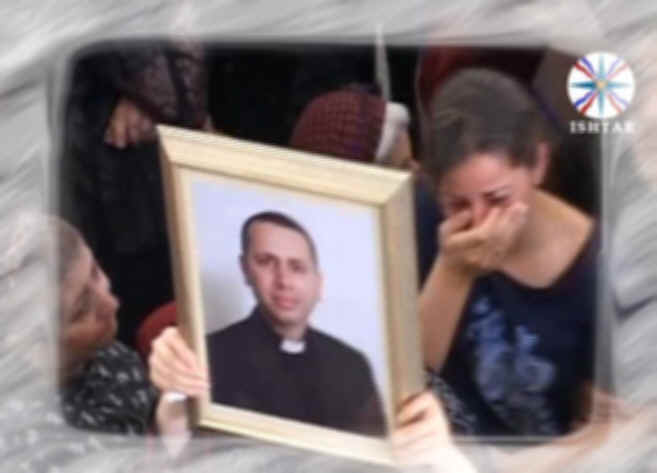
Killing of Priest Yusuf Adel Abudi
4-5-2008: Again a Aramean spiritual leader is killed in Iraq. This time: The West- Aramean Syrian orthodox priest Yusuf Adel Abudi in Bagdad
11-4-2008: Through all the misery: Miracles happens in Iraq
6-4-2008: Funeral of the West- Aramean Syrian Orthodox Priest Yusuf Adel Abudi
Killing of Mgr. Faraj Raho
1-3-2008: East- Aramean Chaldean bishop of Mosul, Mgr. Paulus Faraj Raho was abducted on 29-2-2008 in Mosul.
13-3-2008: The East- Aramean Chaldean bishop Paulus Faraj Raho killed in Mosul
14-3-2008: Friday 14-3-2008: Funeral of Mgr. Faraj Raho in St. Addai Church in Karemlesh
16-3-2008: Mgr. Paulus Faraj Raho: A Great Spiritual Leader and a Worthy Sheppard in Charge of Jesus Christ
23-2-2008: Aramean centre for art and culture has been opened in Ankawa, northern Iraq
7-1-2008: Aramean Churches and institutions in Iraq under Attack
Killing of Priest Ragied Aziz Gannie
25-5-2007: Terror against Arameans (including "Assyrians" and Chaldeans) of Iraq. Ethnic cleansing of the Indigenous people of Iraq
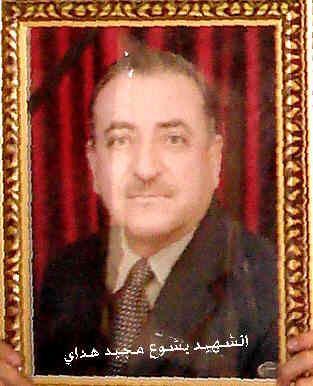
Killing of Isoh Majeed Hadaya
22-11-2006: The West- Aramean Isoh Majeed Hadaya killed by terrorists in Iraq
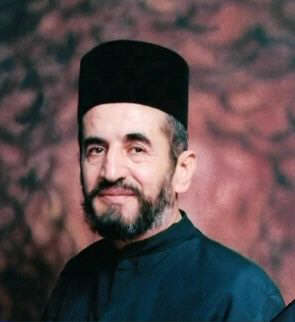
Killing of Priest Paulus Iskandar
12-10-2006: Aramean priest Iskandar beheaded in Mosul (Iraq)
|
Aramean people: Aramean people (not to be confused with ‘Armenians’) speak Aramaic, the language spoken by Abraham, Moses and Jesus. They are the indigenous people of what was called in ancient times Aram- Nahrin, in our days it is called ‘Mesopotamia’. Some Arameans today identify themselves with “Assyrians”, because of the spiritual colonial hate generating activities of the Western missionaries and diplomats in the Middle-East in 16th and 19th centuries. Other Arameans became known as “Chaldeans”. However all of them are Arameans.In Turkey, the Arameans are called: Süryani. In Arabic they are called Al- Suryan. Seven Indigenous Aramean Churches in Baghdad (Iraq) attacked by car bombs.
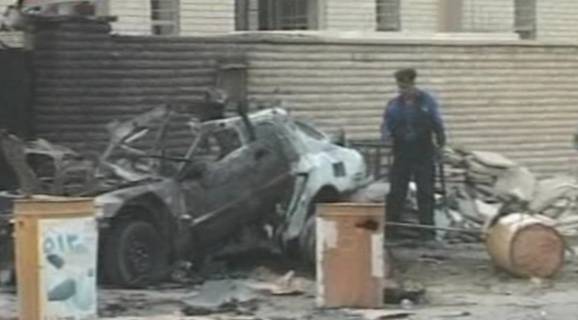
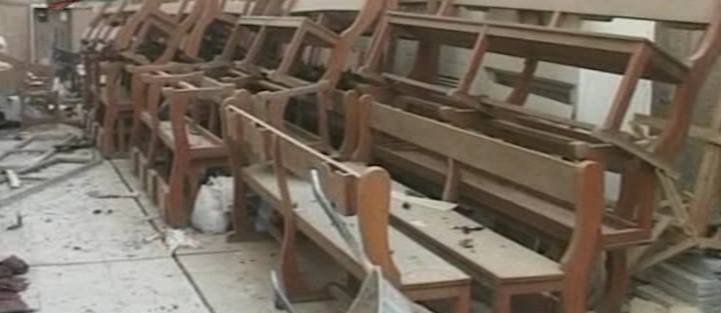
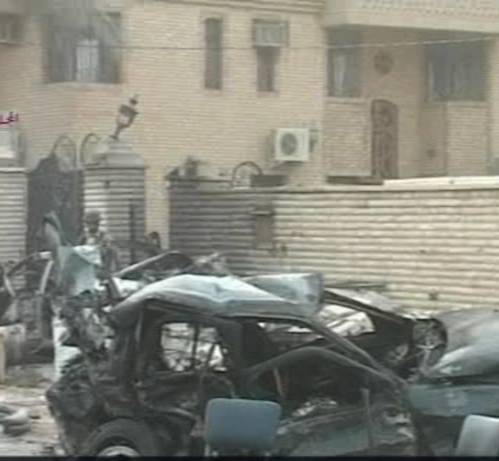
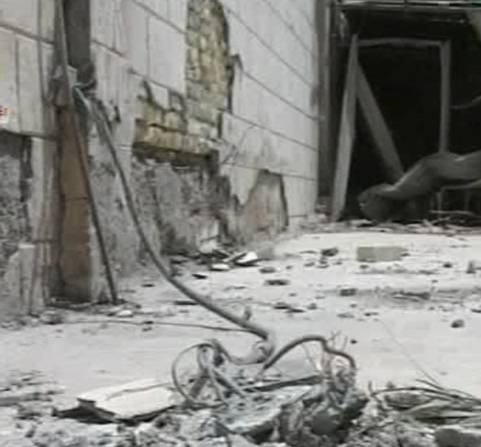
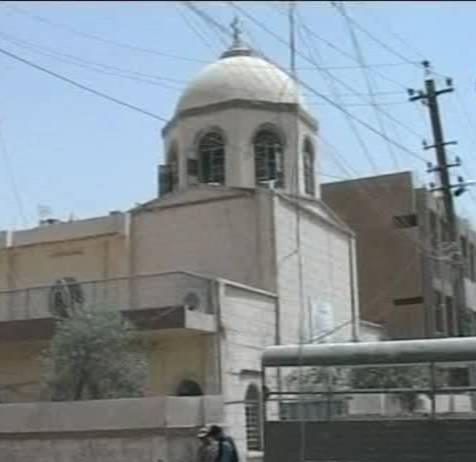
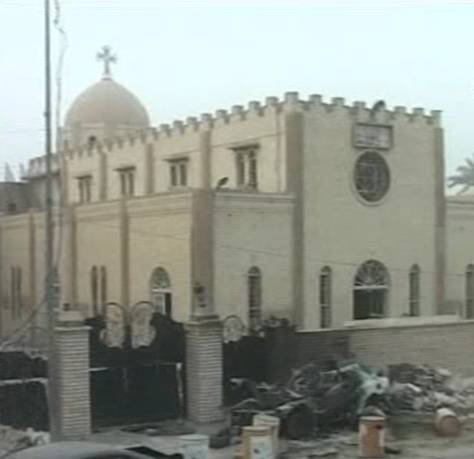
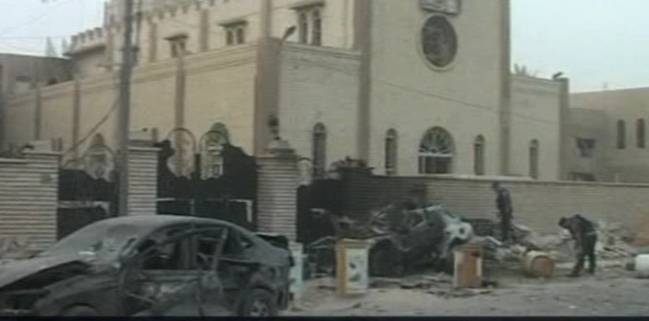
On Sunday 12-7-2009, they were at it again in Iraq. In total seven Aramean churches were targeted by car bombs in Baghdad. Four people were killed and 18 wounded.
It seems now business as usual to the extremist and fanatical forces in Iraq to regularly remind the Aramean indigenous nation of Iraq that they definitely should not make any illusions regarding their place in the future of Iraq. The seven targeted churches are:
1. The East- Aramean Chaldean St. Maria Church in the district Sharaa Palestina 2. The East- Aramean Chaldean St. George church in the district Madidi 3. The East- Aramean Chaldean St. Joseph Kerk in the district Nafak 4. The East- Aramean Chaldean Heilige Hart Kerk 5. The West- Aramean Syrian Orthodoxe St. Paulus and St. Petrus Church 6. The East- Aramean Ancient Church of the East (“Assyrian”), St. Maria Church. 7. The East- Aramean Chaldean St. Jacob Kerk
There are in Iraq various Aramean denominations, namely the East- Arameans (Chaldeans and “Assyrians”) and the West- Arameans (Syrian Orthodox, Syrian Catholics and Melkites). These Arameans are the indigenous people of Iraq and live since thousands of years in this part of the world; long before the advent of Islam. The fanatical forces seem eager to clean Iraq of its indigenous nation by means of terror and bloodshed.
Since the beginning of the American invasion in Iraq in 2003, hundreds of thousands Arameans were forced to leave their ancestral homelands. Before the war, the number of Arameans (of different denominations) living in Iraq was around 800.000. However, because of continuous terror and persecutions the number of Arameans has been decreased to but 400.000 people in Iraq. Around 400.000 of them, if not more, have left the country for Syria, Jordan and the West.
The situation for the Aramean indigenous nation of Iraq, also made known as “Assyrians” or Chaldeans, is extra alarming because in contrast to other groups they do not have their own militia to defend themselves. Therefore they rely on the protection by the Iraqi government, which unfortunately fails to offer adequate protection to prevent such cowardice attack by the forces of the evil.
The vulnerable position of the Arameans of Iraq makes them an easy target for the Islamic terrorists who wish to clean Iraq of the “unclean” and “uncircumcised” ones. However, also ordinary criminals and thieves eagerly use the power-vacuum to wheedle them out of money.
Colonialism: Main cause of the Aramean downfall
Another point is that the Arameans themselves are to be blamed for their terrible situation. And this has to do with the horrible mutual hatred and division which was planted in the hearts and minds of a part of the Aramean nation by the Western Catholics and Protestants, in the name of faith and brotherhood, causing an unspeakable damage to the Aramean nation.
And this colonial demonic hatred dear reader, is even so deep and odious that it prevents the Arameans to join the hands, necessary in this difficult times. The colonial hatred and division is today even being stimulated by some of those who call themselves “Christians” in order to make converts among the weak and defenseless Arameans. The enemy of Jesus Christ of the Bible every time seems to succeed, in particular acting as a fake Jesus, to create a carnivorous division and hatred among the followers of the real Jesus of the Bible. This “secret” vicious technology has been extensively used by the Catholics as well as Protestants with horrendous consequences for the Aramean indigenous nation.
More about this colonial hatred of extermination: http://www.aramnahrin.org/English/Aramean_Spiritual_Genocide.htm http://www.aramnahrin.org/English/Mosul_Aramean_Srebrinica_27_10_2008.htm http://www.iraqichristians.org/English/Miracles_In_Iraq_11_4_2008.htm
Seven churches hit in Baghdad. Four dead
The dead and most of the wounded from attack on St. Mary, the church where Mgr. Sleimon Wardouni, Chaldean Patriarchal Vicar, officiates. Other churches suffered minor damage. The hand of Al Qaeda to avenge the "martyr of the veil"
» 07/12/2009 22:31 http://www.asianews.it/index.php?l=en&art=15761&geo=23&size=A
Baghdad (AsiaNews) - A series of car bombs targeted seven Chaldean and Orthodox churches of Baghdad tonight. The worst hit church is the Chaldean Church of St Mary, in Sharaa Philistine, where the patriarchal vicar of Baghdad, Mgr. Sleimon Wardouni officiates. The car bomb exploded on the road that runs alongside the church and left four dead and dozens wounded many seriously. The other churches, because of their distance from the road, suffered slight damage and some wounded, other churches have not reported damage to people or buildings. The other churches targeted were: the Chaldean Church of Saint George in the district at Madidi, that of St. Joseph in Nafak (Chaldean), the Church of the Sacred Heart (Chaldean), the church of St Peter and Paul (Syrian Orthodox), and Assyrian church of Saint Mary. A seventh church, that of St. James in Dora it seems is still in flames hours later. Only days ago, Msgr. Wardouni had issued a statement to AsiaNews, emphasizing the relative calm that there was in the capital and in Iraq after the departure of American soldiers. Some journalists in the capital say that the police suspect Abu Omar al-Baghdadi, the head of Al Qaeda in Iraq, of being behind the attacks motivated by revenge for the "martyr of the veil" in Germany. Marwa el-Sherbini, 32 years old and in the third month of pregnancy, was killed in a knife attack in a Dresden courtroom by a German of Russian origin who she had sued for defamation. In the Islamic world she is being called the "martyr of the veil."
Churches in Iraq targeted in bombings; 4 killed
Sixteen people are wounded at a Baghdad church. Christians fear renewed persecution days after U.S. forces withdrew from Iraqi cities. In Nasiriya, a bomb explodes near the U.S. ambassador's convoy.
By Liz Sly
http://www.latimes.com/news/nationworld/world/la-fg-iraq-bombings13-2009jul13,0,2315778.story
Reporting from Baghdad -- An explosive device detonated beside a convoy in which the U.S. ambassador was traveling in southern Iraq late Sunday afternoon about the same time that Christian churches across Baghdad were hit by a wave of bombings. The attacks offered new evidence that Iraq remains far from stable after American forces withdrew from its cities at the end of June.
There were no injuries among the U.S. Embassy personnel traveling in Ambassador Christopher Hill's convoy in Dhi Qar province when an improvised device exploded, said U.S. Embassy spokeswoman Susan Ziadeh.
The bomb was small, but it hit a vehicle near the ambassador's as the
heavily armored SUVs passed through the provincial capital, Nasiriya. It
is the first such attack on a U.S. envoy since the American-led invasion
in March 2003. "There was a bang and we went through a thick cloud of
smoke," Hill told Aamer Madhani, a journalist with USA Today traveling
with him, according to the newspaper's website. "It was nothing."
Copyright © Aram-Nahrin Organisation
|
Letters to governments and international institutions
Aramean Spiritual/ Physical Genocide
Fake News on the Aramean nation:
1-12-2009: Aramean Organizations sent a letter to the new elected president of the European Union
10-14 August 2009: Aram-Naharaim attends the annual meeting of the UN Expert Mechanism On the Rights of Indigenous Peoples. Statement on the situation of the Aramean people in Syria, Turkey and Iraq
25-4-2008: Aramean Organisations ask for protection of Aramean spiritual leaders in Iraq
22-8-2007: Aram-Nahrin sends a letter to President George Bush, President Nicolas Sarkozy and Prime Minister Gordon Brown
31 July - 4 August 2006: Aram-Naharaim attends the 24th session of the Working Group on the Indigenous Populations
* Aramaic language in danger: Shall the language of Abraham, Moses and Jesus disappear?
* Proposal: Media Ombudsman for Indigenous Peoples.
* Report of Aram-Naharaim: A great success for the Aramean cause …. the Arameans and the UN…..
20-10-2005: Aram-Naharaim in action for the Arameans in Iraq
18-22 July 2005: Aram-Naharaim attends the 23rd session of the Working Group on the Indigenous Populations: A statement on “Spiritual Colonialism and the decline of the Indigenous Aramean people of Aram-Nahrin”
19-23 July 2004: Aram-Naharaim attends the 22nd session of the Working Group on the Indigenous Populations. Statement: The exclusion and discrimination of the Indigenous Aramean people of Mesopotamia (Aram-Naharaim)
|