|
Gregorios John Bar Hebreaus
Who made the East- Aramean Nestorians known as "Assyrians"?
SUA/WCA and allowing terrorism
Aramean history, culture and language, a six partite interview
21-1-2013: Iraq: Aramean teacher and student killed in Mosul
22-2-2012: Iraq: We have left behind a "sovereign, stable and self-reliant Iraq"
19-8-2011: Iraq and Arameans: The usual ritual, blowing up their churches
7-6-2011: The uproar in the Middle-East and the future of the Aramean nation
29-4-2011:
“Liberation” of
23-11-2010: Aramean blood continue to flow in Iraq: Two Aramean brothers killed in Mosul
11-11-2010: An Aramean spiritual leader makes a dramatic appeal: Leave Iraq
1-11-2010: Bloodbath among the Arameans of Baghdad: Something like this never happened
17-5-2010: Iraq: The 19 years old Aramean girl Sandy Shabib Hadi Zahra succumbs to her injuries
10-3-2010: Exodus Arameans from Mosul: According to recent UN report more than 5000 Arameans have left Mosul
27-2-2010: Council of Churches in Iraq appeals to the government to protect the Aramean people in Mosul, Iraq
26-2-2010: The Arameans of Mosul: A new Exodus and Ethnic cleansing is going on
18-2-2010: The Arameans of Iraq again victim of killings and bloodbaths:
24-12-2009: A Christmas “message” for the Arameans of Mosul: Four Aramean Churches attacked and one Aramean killed
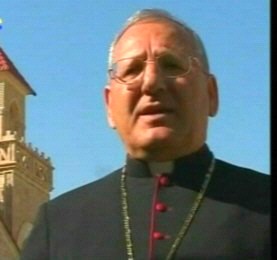
1-9-2009: Arameans of Iraq: The East- Aramean Chaldean bishop Louis Sako of Kirkuk sounds the alarm bell
29-8-2009: Totally unfounded or has it a grain of truth in it? Greater- Israel and the ethnic cleansing of the Arameans of Mosul and surroundings in Iraq
13-7-2009: Seven Indigenous Aramean Churches in Baghdad (Iraq) attacked by car bombs
4-5-2009: Aramean blood continues to flow in Iraq…
15-11-2008: Iraq: The bloodshed of Aramean people and bombardment of churches continues undiminished
27-10-2008: Attempt of ethnic cleansing Mosul: The Aramean Srebrinica. Who is responsible and why?
2-9-2008: Again two Arameans killed in Iraq
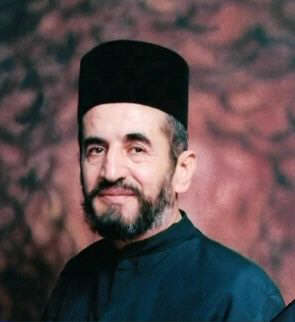
Killing of Priest Yusuf Adel Abudi
4-5-2008: Again a Aramean spiritual leader is killed in Iraq. This time: The West- Aramean Syrian orthodox priest Yusuf Adel Abudi in Bagdad
11-4-2008: Through all the misery: Miracles happens in Iraq
6-4-2008: Funeral of the West- Aramean Syrian Orthodox Priest Yusuf Adel Abudi
Killing of Mgr. Faraj Raho
1-3-2008: East- Aramean Chaldean bishop of Mosul, Mgr. Paulus Faraj Raho was abducted on 29-2-2008 in Mosul.
13-3-2008: The East- Aramean Chaldean bishop Paulus Faraj Raho killed in Mosul
14-3-2008: Friday 14-3-2008: Funeral of Mgr. Faraj Raho in St. Addai Church in Karemlesh
16-3-2008: Mgr. Paulus Faraj Raho: A Great Spiritual Leader and a Worthy Sheppard in Charge of Jesus Christ
23-2-2008: Aramean centre for art and culture has been opened in Ankawa, northern Iraq
7-1-2008: Aramean Churches and institutions in Iraq under Attack
Killing of Priest Ragied Aziz Gannie
25-5-2007: Terror against Arameans (including "Assyrians" and Chaldeans) of Iraq. Ethnic cleansing of the Indigenous people of Iraq
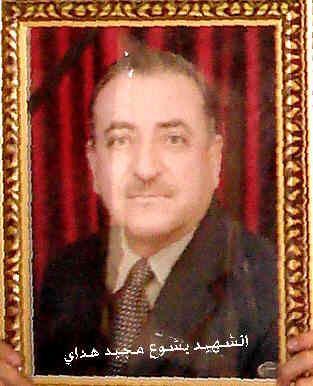
Killing of Isoh Majeed Hadaya
22-11-2006: The West- Aramean Isoh Majeed Hadaya killed by terrorists in Iraq
Killing of Priest Paulus Iskandar
12-10-2006: Aramean priest Iskandar beheaded in Mosul (Iraq) |
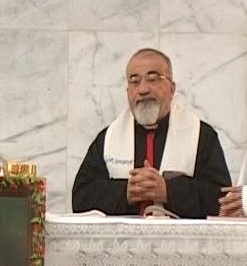
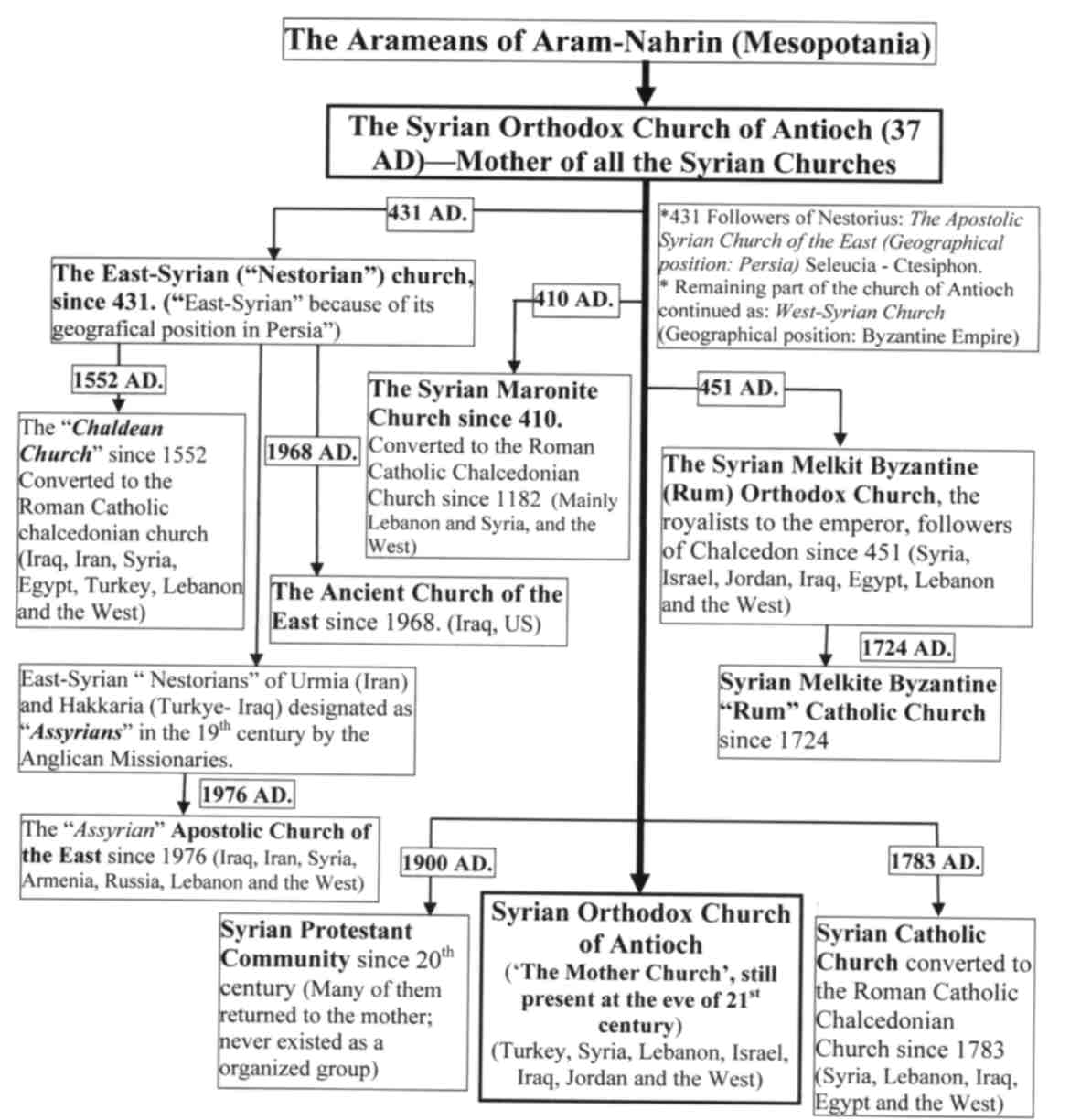
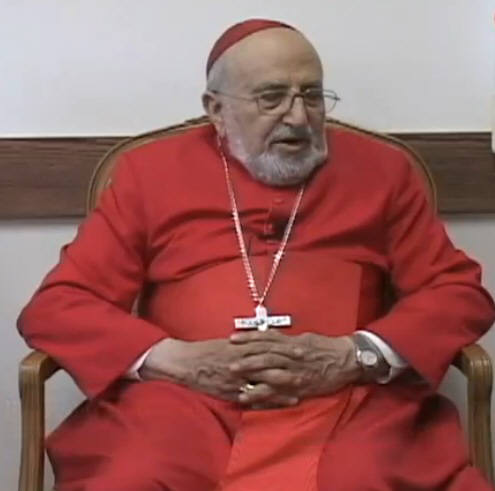
Aramean people: Aramean people (not to be confused with ‘Armenians’) speak Aramaic, the language spoken by Abraham, Moses and Jesus. They are the indigenous people of what was called in ancient times Aram- Nahrin, in our days it is called ‘Mesopotamia’. Some Arameans today identify themselves with “Assyrians”, because of the spiritual colonial hate generating activities of the Western missionaries and diplomats in the Middle-East in 16th and 19th centuries. Other Arameans became known as “Chaldeans”. However all of them are Arameans.In Turkey, the Arameans are called: Süryani. In Arabic they are called Al- Suryan. Arameans of Iraq: The East- Aramean Chaldean bishop Louis Sako of Kirkuk sounds the alarm bell
Although exact numbers are unknown, however before 2003, there were around 800.000 Arameans in Iraq. Their number is unfortunately reduced to 400.000 or even less. Mgr. Sako says at the end of interview, “Church leaders and Christian politicians are also not doing enough to cooperate to confront common problems,…” Mgr. Sako is tackling here a very sensitive and important issue which factually will result in the complete downfall of the Aramean nation not only in Iraq but in the entire Middle-East.
Because of severe division and mutual hatred, injected in the hearts of a part of the Aramean nation in Iraq by the colonial powers in the 16th and 19e centuries, the Arameans are not able to put aside their differences to deal with the current problems.
And this makes their situation very precarious. You cannot blame the Islamic extremists for everything you experiences in these difficult times. There are many possibilities to work together and try to improve your situation. Other groups in Iraq face similar problems, if not worse! Yet, they succeed much better than the Arameans do, under these difficulties and chaotic circumstances to adequately deal with the situation. The words of Mgr. Sako describe the current situation dramatically as he says, “I feel more pessimistic now than ever before. We do not have the same hope that we had before,”
Mgr. Sako is not the only one who lamenting on the terrible situation of the Arameans of Iraq, other Christian leaders ventilate the same hopelessness on the rough situation, if not worse. Unfortunately they seem not to be able, even under these terrible conditions, to climb over the spiritual wall of hatred, division and extermination created by the colonial powers in the 16th and 19th centuries and extend the hands of cooperation. The worst form of hypocrisy however, is that the perpetrators of this hatred and division shed crocodile tears in front of the camera’s and have their mouth full of “Christian unity” and “brotherhood”. However when the camera’s disappear they continue as business as usual and thicken even more the wall of division and hatred. One just may ask the question: For how long will the Lord be patient to let this happen?
Related articles: ********************************************************************************** http://www.aramnahrin.org/English/Aramean_Spiritual_Genocide.htm http://www.aramnahrin.org/English/Mosul_Aramean_Srebrinica_27_10_2008.htm http://www.iraqichristians.org/English/Miracles_In_Iraq_11_4_2008.htm http://www.aramnahrin.org/English/Mosul_Aramean_Srebrinica_27_10_2008.htm http://www.aramnahrin.org/English/Arameans_In_The_Media_Misinformation_8_6_2009.htm http://www.aramnahrin.org/English/Turks_Kurds_Aramean_monastery_St_Gabriel_28_2_2009.htm http://www.aramnahrin.org/English/Indigenous_2009.htm
********************************************************************************
Did you learn something from this article? Do you want to help the Aramean indigenous people? Please click on these links and help us:
http://www.aramnahrin.org/English/AramNaharaim_Volunteers.htm http://www.aramnahrin.org/English/HelpUs.htm Amid violence, Iraqi archbishop ‘more pessimistic than ever’ about Christians’ future
.- Louis Sako, Chaldean Archbishop of Kirkuk, has said that Iraqi Christians are facing “bad days” as “ineffective” security cannot prevent criminality and violence targeting Christian minorities. Many of the Christians who remain are in such fear that they too want to leave Iraq, he said.
The future of Christianity in Iraq, even in the short term, now “hangs in the balance,” Archbishop Sako said in a phone interview with the international Catholic charity Aid to the Church in Need (ACN).
Christians lack the protection of militia and have become “easy targets” for criminals, he reported.
Violence and the lack of jobs and services have encouraged many Christians to leave. There are now only 300 Christian families in southern Iraq and less than 400,000 Christians in Iraq as a whole. Within the past decade, their numbers have declined by 750,000.
In the northern city of Mosul, a former Christian heartland, many Christian families are “too afraid to come back.”
At one point in the interview, Archbishop Sako warned of rising extremism.
“Iraq is going to a narrow form of Islam,” he commented.
“I feel more pessimistic now than ever before. We do not have the same hope that we had before,” he told ACN. “In fact I am not seeing any signs of hope for the future. Our whole future hangs in the balance.
“We are experiencing bad days. Every group involved in criminal activity seems to be active.”
Archbishop Sako called Iraq’s security system “ineffective” and “unprofessional.”
“The government and the police are doing their best but they are incapable of controlling the situation,” he reported, saying that Christians are generally being attacked not because they are Christian but because they are seen to be defenseless.
Even one crime, abduction or killing makes the whole community want to move, he reported.
The archbishop spoke from Kirkuk, ten days after a Christian father of three was shot dead and a doctor was abducted on his way home in the city.
The turmoil is not localized to one part of Iraq.
“Every day, there are explosions – in Baghdad, Mosul, so many different places,” he added.
In July, militants attacked seven churches in Baghdad, killing and injuring dozens. Last week nearly 100 were killed in a series of attacks.
“Living in this climate, the Christian people are afraid. They are really worried. Despite what we tell them, encouraging them to stay, they want to leave,” Archbishop Sako said.
He reported that the people have lost patience with the country’s politicians. The prelate also called on Western countries to pressure Iraqi political groups to reconcile and try to reduce conflict and restore law and order.
“There can be no proper security without a real reconciliation. The only people who seem to be benefiting from the situation at the moment are the criminals. This has got to change,” he explained.
Archbishop Sako noted the crucial importance of interfaith work for coexistence between Christians and Muslims. While the archbishop is involved in initiatives in Kirkuk, such as hosting a Ramadan dinner this weekend, they are generally not replicated elsewhere in the country.
The work is small scale and involves individuals rather than the large groups crucial for attitude changes.
Copyright © Aram-Nahrin Organisation
|
Letters to governments and international institutions
Aramean Spiritual/ Physical Genocide
Fake News on the Aramean nation:
1-12-2009: Aramean Organizations sent a letter to the new elected president of the European Union
10-14 August 2009: Aram-Naharaim attends the annual meeting of the UN Expert Mechanism On the Rights of Indigenous Peoples. Statement on the situation of the Aramean people in Syria, Turkey and Iraq
25-4-2008: Aramean Organisations ask for protection of Aramean spiritual leaders in Iraq
22-8-2007: Aram-Nahrin sends a letter to President George Bush, President Nicolas Sarkozy and Prime Minister Gordon Brown
31 July - 4 August 2006: Aram-Naharaim attends the 24th session of the Working Group on the Indigenous Populations
* Aramaic language in danger: Shall the language of Abraham, Moses and Jesus disappear?
* Proposal: Media Ombudsman for Indigenous Peoples.
* Report of Aram-Naharaim: A great success for the Aramean cause …. the Arameans and the UN…..
20-10-2005: Aram-Naharaim in action for the Arameans in Iraq
18-22 July 2005: Aram-Naharaim attends the 23rd session of the Working Group on the Indigenous Populations: A statement on “Spiritual Colonialism and the decline of the Indigenous Aramean people of Aram-Nahrin”
19-23 July 2004: Aram-Naharaim attends the 22nd session of the Working Group on the Indigenous Populations. Statement: The exclusion and discrimination of the Indigenous Aramean people of Mesopotamia (Aram-Naharaim)
|